
How to Tell When Your Shrubs Need Professional Care
If you notice signs like wilting, discolored leaves, or overgrowth, local service providers can assess and provide professional shrub care to keep your plants healthy.
Understanding when your shrubs need professional care is an important step in maintaining a healthy and attractive landscape. Property owners in the area often find themselves questioning whether their plants are showing signs of stress, disease, or neglect, and knowing what to look for can make all the difference. Recognizing these indicators early can help prevent more serious issues down the line, ensuring your shrubs remain vibrant and well-shaped. Whether it’s unusual growth patterns, discoloration, or pest activity, local service providers specializing in shrub care are equipped to assess and address these concerns effectively. Keep reading to discover practical tips on identifying when your shrubs need professional attention and how local contractors can help keep your landscape thriving.
Many property owners explore this topic to better understand how to keep their outdoor spaces healthy and visually appealing. A well-maintained shrub border adds curb appeal and can increase property value, making it worthwhile to stay vigilant for signs of trouble. By learning how to tell when your shrubs need professional care, homeowners can catch issues early and avoid costly repairs or replacements later. Local shrub care specialists offer tailored services that can address common problems like pruning, pest control, and disease management, helping your plants stay strong and beautiful. Continue reading to learn more about the key signs that indicate it’s time to bring in the experts for your shrub maintenance needs.
- **Shrub pruning services** - when shrubs develop overgrown or uneven branches, local contractors can assess and trim to promote healthy growth.
- **Shrub health assessments** - signs like discolored or wilting foliage indicate the need for professional care to diagnose underlying issues.
- **Disease and pest treatments** - if shrubs show spots, holes, or unusual pests, local service providers can identify problems and recommend treatments.
- **Seasonal shrub care** - during certain times of year, shrubs may require specialized pruning or fertilization to stay vigorous, handled by local experts.
- **Shrub transplant and removal** - when shrubs become too large or unhealthy, local pros can safely transplant or remove them to maintain landscape balance.
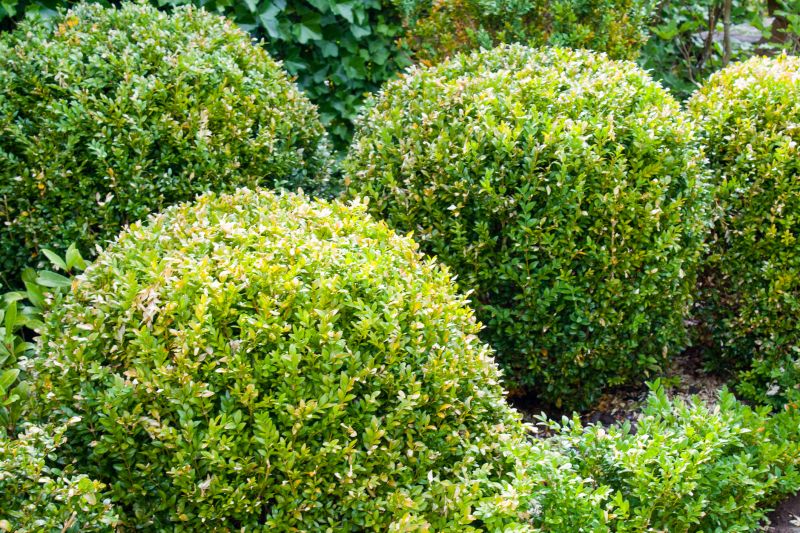
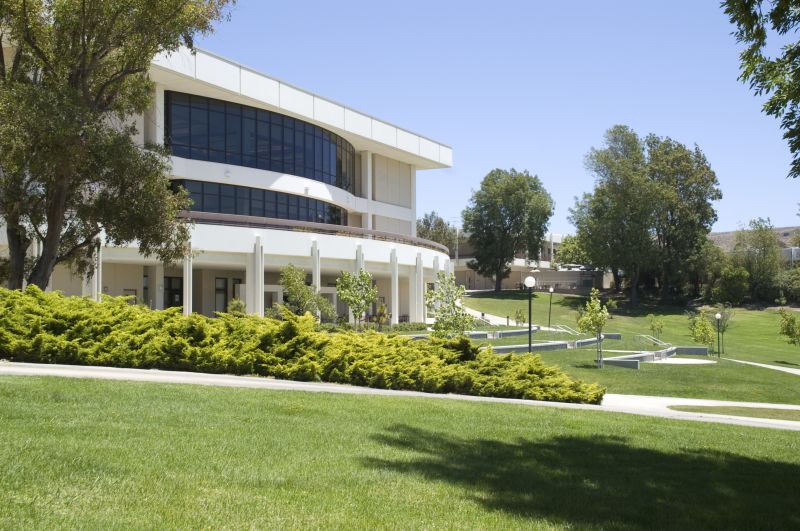
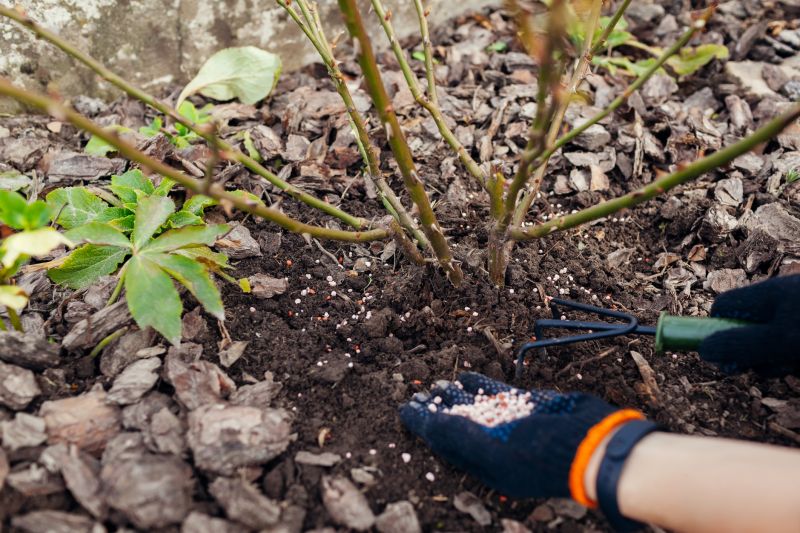
Understanding when shrubs need professional care begins with recognizing common signs of decline or distress. Homeowners often search for this topic because they notice irregular growth patterns, such as sparse foliage or uneven shapes, which can indicate underlying health issues. Other signs include the presence of unusual spots, discoloration, or dead branches that don't respond to basic pruning. These symptoms suggest that a shrub may be suffering from pests, disease, or environmental stress, and professional intervention can help diagnose and treat the problem effectively. Recognizing these early warning signs is crucial for maintaining the overall health and appearance of landscape shrubbery.
This topic also relates to broader landscape planning and maintenance projects. Many property owners want their shrubs to serve as focal points, privacy screens, or decorative elements, making their health vital to the property's aesthetic and functional value. When shrubs become overgrown, diseased, or damaged, they can detract from the landscape’s visual appeal and may even pose safety concerns if branches become weak or brittle. Homeowners often seek guidance on whether issues are manageable through routine care or if they require the expertise of service providers who can perform professional pruning, disease management, or plant health assessments. These services help ensure that shrubbery remains vibrant and structurally sound, supporting the overall landscape design.
The types of properties that frequently encounter shrub health issues span a wide range, including suburban homes, city townhouses, and rural estates. Residential properties with established gardens often feature a variety of shrub species, each with specific care needs. Commercial properties, such as office parks or retail centers, also rely heavily on well-maintained shrubbery to create inviting outdoor spaces. In many cases, properties with mature landscaping or limited access for maintenance may experience more noticeable problems, prompting owners to seek professional help. Local service providers are equipped to handle diverse property types, offering tailored solutions that address the specific needs of each landscape and ensuring that shrubs remain healthy and attractive over time.
Understanding how to tell when your shrubs need professional care is a practical skill that helps prevent more serious problems down the line. Homeowners should watch for persistent issues like stunted growth, excessive leaf drop, or signs of pest infestation that do not improve with basic pruning or watering. Consulting with experienced service providers can provide a thorough assessment of shrub health, identify underlying problems, and recommend appropriate treatments. These professionals bring the expertise needed to address complex issues such as disease outbreaks or structural concerns, helping to restore the vitality of the landscape. Recognizing the signs early and involving local shrub care experts ensures that property owners can maintain healthy, attractive shrubbery that enhances the overall appeal of their property.
Garden Design and Planning - This project involves assessing plant health and growth patterns, skills that are useful when evaluating shrub conditions and determining if professional care is needed.
Tree and Shrub Planting - Proper planting techniques help prevent issues that can signal the need for shrub maintenance, making this a related service that requires similar planning and knowledge.
Landscape Maintenance - Regular upkeep includes identifying signs of stress or disease in shrubs, aligning with the skills used to recognize when professional intervention is necessary.
Pruning and Trimming - Proper pruning techniques are essential for healthy shrub growth and can help address problems that indicate a shrub needs professional care.
Soil Testing and Fertilization - Understanding soil health and nutrient levels supports healthy shrub development and can reveal when shrubs are in distress requiring expert attention.
Hedge and Shrub Installation - Installing new shrubs involves selecting healthy plants and understanding their care needs, which relates to recognizing when existing shrubs require professional help.

When evaluating service providers for shrub care, it’s important to consider their experience with similar projects. Homeowners should inquire about the types of shrubs they have previously worked with and whether they have handled issues comparable to those affecting their landscape. A contractor’s familiarity with different shrub varieties and common problems can be a valuable indicator of their ability to diagnose and address specific needs effectively. Additionally, reviewing any available references or examples of past work can help determine if a contractor’s expertise aligns with the homeowner’s expectations for healthy, well-maintained shrubs.
Clear, written expectations are essential when comparing local contractors for shrub care services. Homeowners should seek detailed descriptions of the scope of work, including specific tasks such as pruning, fertilizing, or pest management. Having a transparent understanding of what services will be provided helps prevent misunderstandings and ensures that both parties are aligned on the project’s goals. Service providers who communicate their processes and recommendations in writing demonstrate professionalism and can help homeowners make informed decisions about the level of care their shrubs require.
Effective communication is a key factor when selecting a shrub care professional. Homeowners should look for contractors who are responsive and willing to answer questions thoroughly, providing explanations that clarify the health status of their shrubs and the treatments recommended. Good communication also involves listening to the homeowner’s concerns and preferences, which can influence the approach taken to maintain or improve shrub health. Choosing a service provider who maintains open lines of communication fosters a collaborative relationship, helping ensure that the shrub care services delivered meet the specific needs of the landscape.
Property owners often search for how to tell when your shrubs need professional care when they are planning practical projects around their homes and businesses. Local pros provide Shrub Care services for everyday jobs and straightforward project options.
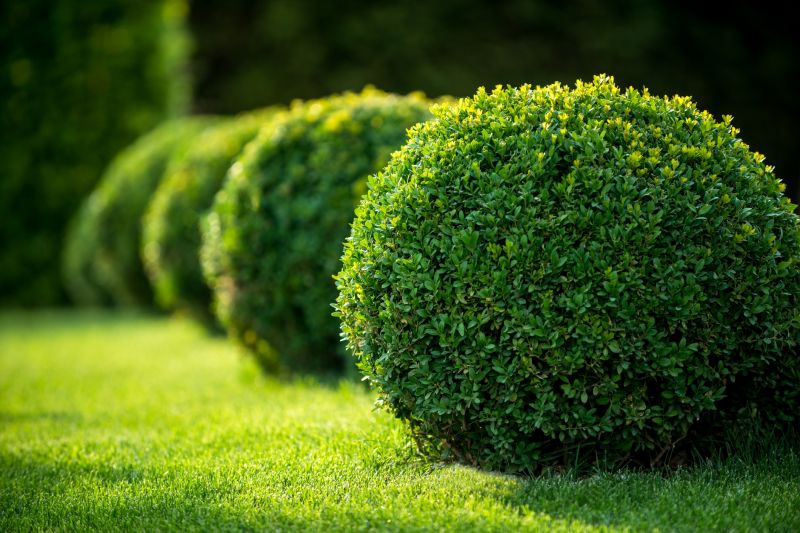
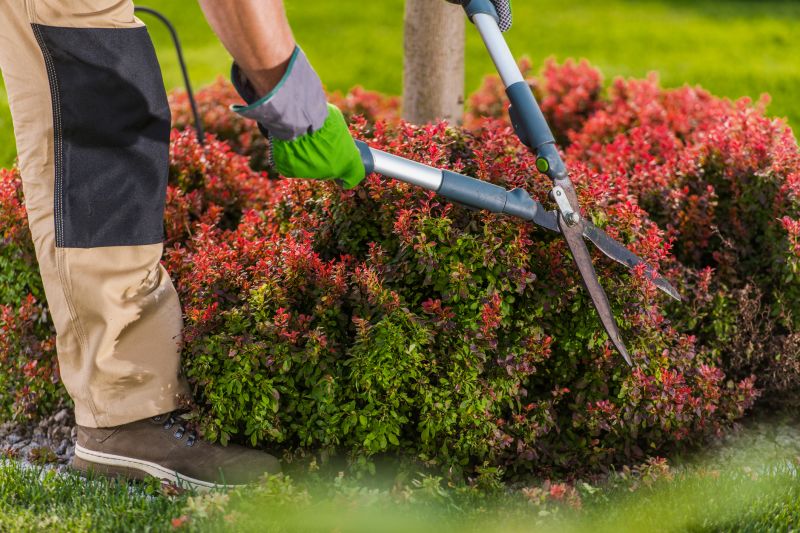
Property owners often notice signs that their shrubs may need professional care when they see uneven growth, sparse foliage, or branches that appear weak or broken. Other common indicators include the presence of pests or disease symptoms such as discolored or wilting leaves. Recognizing these issues early can help maintain the health and appearance of the landscape, prompting property owners to seek assistance from experienced local contractors who specialize in shrub care and pruning services.
In many cases, homeowners might also consider professional help when shrubs become overgrown or start to encroach on walkways and other structures. Dead or dying branches, as well as signs of infestations, are clear signals that shrubs may benefit from expert attention. Local shrub care service providers can evaluate the condition of the plants and recommend appropriate treatments or pruning to restore their vitality, ensuring the landscape remains attractive and well-maintained.
What are common signs that shrubs need professional care? Indicators include yellowing or browning leaves, stunted growth, visible pests or diseases, and branches that are dying or broken. Local contractors can assess these signs to determine if expert intervention is needed.
How can I tell if my shrubs are becoming unhealthy? If shrubs show irregular growth patterns, excessive leaf drop, or sparse foliage, it may signal underlying issues. Consulting with local shrub care specialists can help diagnose and address these problems.
Are there specific symptoms that indicate pests or diseases? Yes, presence of discolored spots, holes in leaves, sticky residue, or unusual growths can point to pest infestations or diseases. Professional shrub care providers can identify and treat these issues effectively.
When should I seek professional help for pruning or shaping? If shrubs have overgrown, have uneven or damaged branches, or require specialized pruning techniques, local experts can provide proper care to maintain healthy growth.
How do I know if my shrubs are suffering from environmental stress? Signs include wilting, leaf scorch, or abnormal leaf curling. Local shrub care service providers can evaluate environmental factors and recommend appropriate solutions.
Unusual leaf coloring - noticing leaves that change color or develop spots can indicate your shrubs need professional care to address potential pests or diseases.
Stunted growth or sparse foliage - when shrubs stop growing or lose their fullness, local contractors can assess and improve their health through specialized treatments.
Overgrown or misshapen appearance - shrubs that become unruly or uneven may benefit from pruning services provided by experienced shrub care professionals.
Signs of pest infestation - visible pests or webs on shrubs suggest a need for expert intervention to prevent further damage and maintain plant vitality.
If you are thinking about how to tell when your shrubs need professional care for a property, this guide is meant to help you understand this topic, the typical project types, and how different options might fit your plans.
When you are ready, you can use the quote form on this page to share a few details about your project. From there, local pros can review the basics and follow up with options that match what you have in mind.